Bread is rarely incidental at an Alentejo table. Its crust breaks beneath the knife; its crumb takes up olive oil, broth and the juices left by pork. Garlic and coriander return across dishes, but the textures change, from a clear, fragrant soup to a substantial spoonful of migas.
Eating here begins with these familiar ingredients rather than a long tasting list. Sheep’s cheese, tomatoes and a loaf can anchor a simple meal. Around Alentejo Central, lunch also connects the table with olive groves, cork oak country and family vineyards. Leave room to notice those connections, and let bread and soup introduce the cooking before moving towards richer dishes.
Bread and olive oil: the foundations of the table
Traditional Alentejo wheat bread has a firm crust and a substantial crumb. Cut into slices, it holds its shape beside cheese or beneath a ladle of broth. As the loaf grows older, it finds another purpose. Soups soften it; migas turn it into a substantial accompaniment. Bread is an ingredient here, not simply something brought to the table before the meal.
Olive oil belongs both in the cooking and alongside the loaf. It carries garlic through a dish, enriches a broth and needs little more than bread to reveal its flavour. Some oils suggest freshly cut grass, followed by pepper at the back of the throat. Others offer a different balance; tasting them side by side makes those differences clearer.
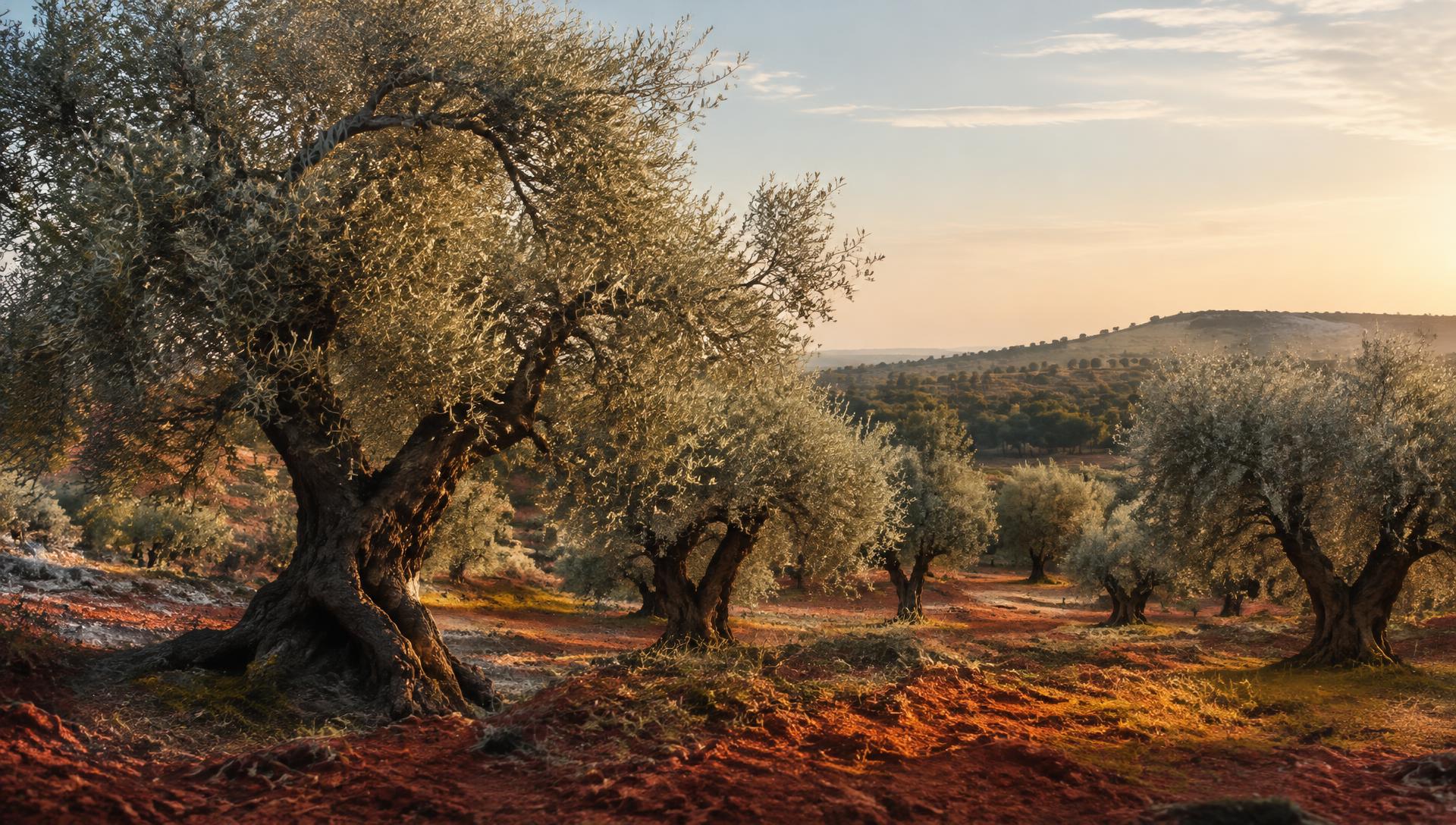
An olive oil mill visit brings that comparison close to its source. Walk among the olive trees, learn how the oil is produced, then taste with a producer. Bread, tomatoes and salt keep the accompaniments simple, leaving room to notice the aroma and finish of each oil.
Cork, Wine and Olive Oil
Olive Oil at the Mill
Alentejo olive groves
Taste fresh olive oil beside the groves it came from.
Açorda and other soups built around bread
Açorda à alentejana is brothy rather than thick. Hot water meets garlic, coriander, olive oil and salt, and is poured over bread. An egg often accompanies it. The bread softens in the liquid, while the herbs and garlic give the bowl its fragrance. If you know the thicker preparations called açorda elsewhere in Portugal, expect a different texture here: soaked bread with broth still around it.
Sopa de cação brings fish to this bread-based table. Made with dogfish, it is commonly flavoured with coriander, garlic and vinegar, then served with bread. The vinegar gives a distinct sharpness against the olive oil and softened crumb. It is a different expression of the same practical idea: bread makes a broth into a meal.
Regional tomato soup offers another direction, often accompanied by bread and egg. Tomato brings acidity and colour where açorda foregrounds herbs. These are traditions with household variations, not fixed formulas. Ask how the soup is prepared before choosing, particularly if you are expecting a thick purée rather than bread in broth.
Black pork, migas and the montado
The montado helps explain the Alentejo table. Beneath its cork oaks, black pigs share the shade with cattle and wild birds. This landscape gives context to porco preto, or black pork, a familiar presence on regional menus. The name alone, however, does not tell you where an animal was raised or how it was fed. Ask about provenance if that connection matters to you.
Alongside pork, look for bread migas. Older bread is worked with garlic and cooking fat into a substantial accompaniment, quite different from the loose broth of açorda. Its texture varies with the cook: soft within, sometimes with a lightly browned surface. Bread is not an afterthought here. It carries flavour and gives the plate its weight.
A countryside lunch near Évora brings these ingredients together beneath olive trees: warm bread, soft cheese, black pork, herbs and local wine. Seasonal food prepared by local families and small producers keeps the meal close to its surroundings. Let the pork and migas be the centre of the meal rather than another course to fit in.
Cork, Wine and Olive Oil
A Long Table Under the Olive Trees
Countryside near Évora
An unhurried lunch of Alentejo flavours, served outdoors.
Regional cheese with bread and wine
Cheese in the Alentejo is not a single style. Sheep and goat cheeses from regional farms bring different textures and flavours to the table, from soft cheeses to firmer, cured examples. Queijo de Évora is a traditional cured sheep’s milk cheese. It offers a different experience from the soft cheese served at a countryside lunch; neither should stand for the whole region.
Bread makes a useful companion, leaving room to notice the cheese’s texture and finish. At a lakeside tasting around Reguengos de Monsaraz, sheep and goat cheeses from nearby farms are served with fresh bread and local wines. Someone who knows the vineyards pours the wine, while a producer shares the story behind the food.
The same ingredients belong naturally in a family cellar. Around Borba, Reguengos and Évora, a private visit can combine a walk through the vines and cellar with wine tasting and a simple lunch. Bread, cheese and cured meats from neighbouring farms give the wines a place at the table, rather than leaving them as flavours tasted in isolation.

Cork, Wine and Olive Oil
A Private Tasting in a Family Cellar
Borba, Reguengos and Évora
Taste wines from the estate with the family who makes them.
Make space for a slow lunch around Évora
There is no need to gather every Alentejo dish into a single lunch. Choose açorda when you want broth, garlic and coriander; leave pork with bread migas for another meal. Cheese with bread can be a quieter way to explore the region’s flavours, without turning the table into a tasting checklist.
Évora’s walkable historic centre makes room for both food and stone. Wander its lanes, see the Roman temple and the old aqueduct, then pause for lunch. Spring and autumn suit this rhythm of walking and lingering. Let the meal have its own space rather than fitting it between monuments.
Beyond the walls, a countryside table near Évora offers a different setting: olive-tree shade, warm bread, soft cheese, black pork, herbs and local wine. Local families and small producers prepare seasonal food rooted in the surrounding land. The outdoor setting is part of the experience, not a promise of weather. Ask about the ingredients and what is seasonal before deciding what to eat.
Leave room to notice the bread’s crust, the oil’s finish and the herbs rising from the bowl. A meal need not cover everything to give a sense of the Alentejo.