A wine label can tell you where a bottle comes from. A detour into the Alentejo gives those words a landscape: vines beyond whitewashed towns, cork oaks shading pasture, marble worn smooth at a doorstep. The glass becomes part of a place rather than something tasted in isolation.
Begin with curiosity rather than a preferred style. Alentejo wines are often generous and food friendly, but that does not make them alike. Walking a vineyard, asking about the grapes and tasting alongside local cheese can reveal distinctions that a label leaves unexplained. Around Évora, Borba and Redondo, wine offers a reason to linger in the countryside.
A wine detour with a landscape around it
Évora makes a natural starting point for Alentejo Central. Within its walls, the historic centre is a UNESCO World Heritage Site, with a Roman temple and lanes of whitewashed houses. Beyond the city, the landscape opens into cork oak country, with family wine estates around Borba and Redondo. Moving between town and countryside gives the visit a gentle change of scale.
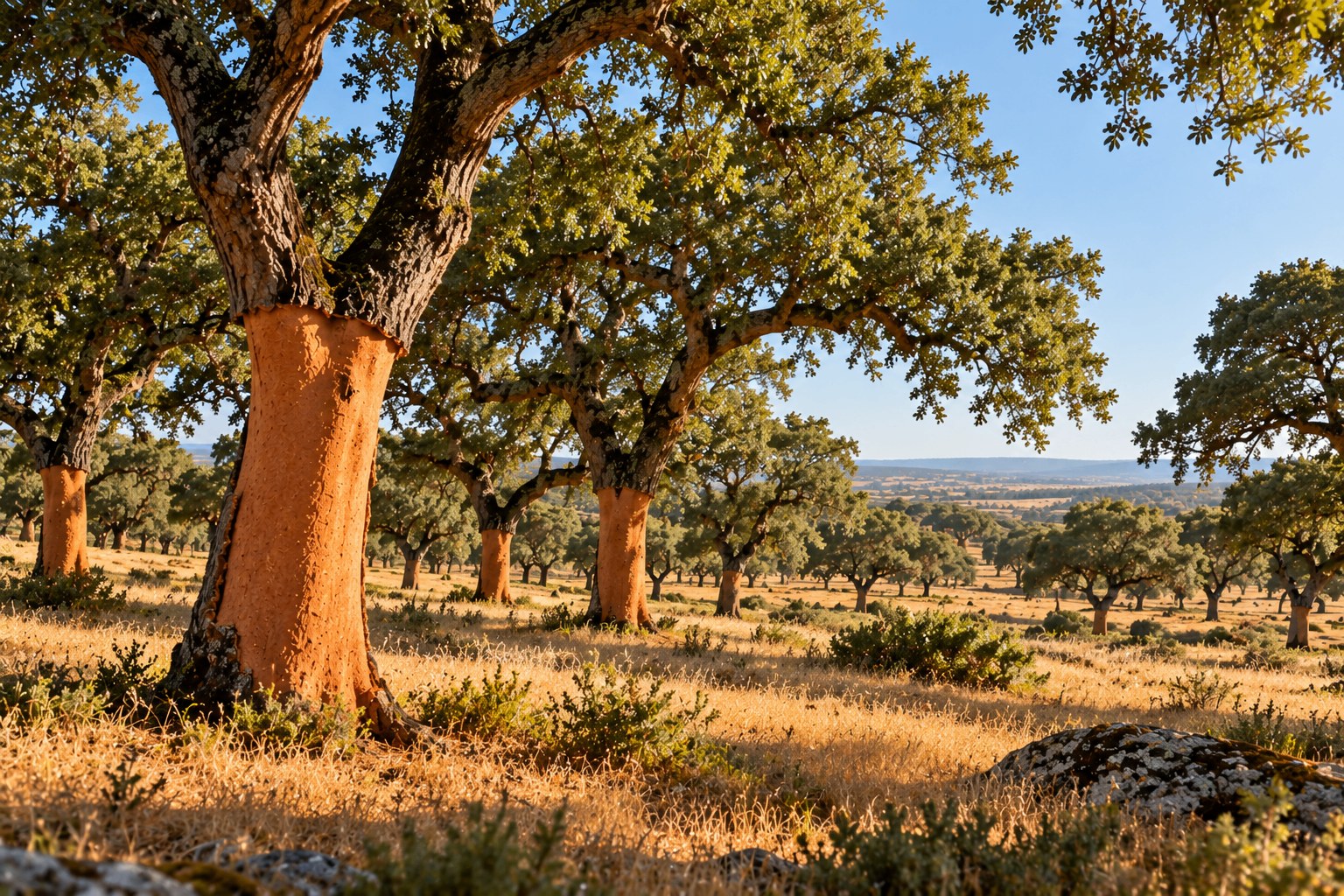
Let the wine sit within that wider setting. In the montado, cork oaks shade cattle, black pigs and wild birds. In the marble towns, local stone appears in fountains, benches and doorsteps. These are not explanations for how every wine will taste. They are reasons to look beyond the bottle and notice the working landscape around it.
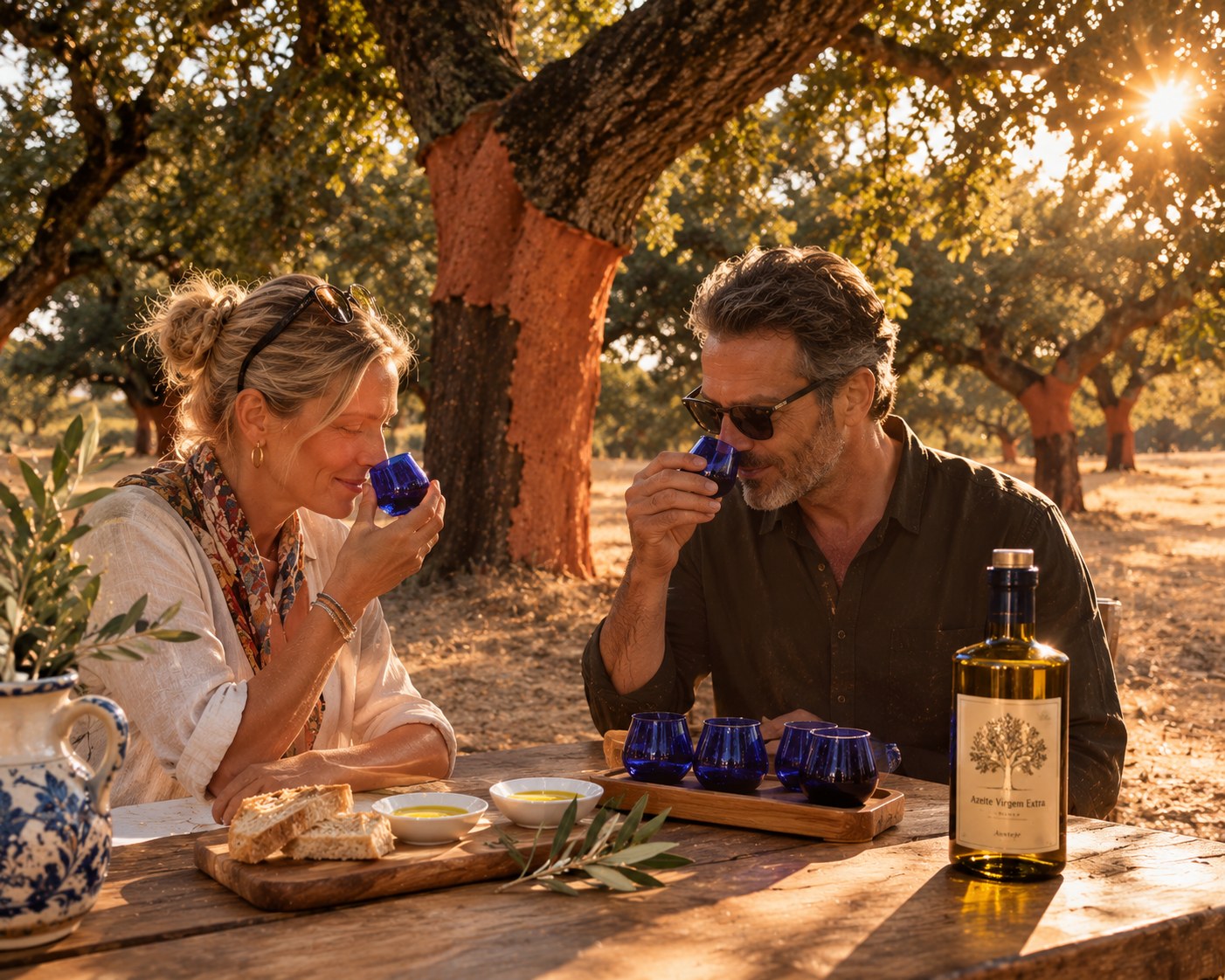
At the table, bread, cheese and cured meats give a tasting a local context. Generosity and friendliness with food are useful starting impressions, not a single regional flavour. Leave room for differences between glasses, and for the conversation that follows. The appeal is as much in understanding those differences as in finding a wine you enjoy.
What a family cellar adds to the glass
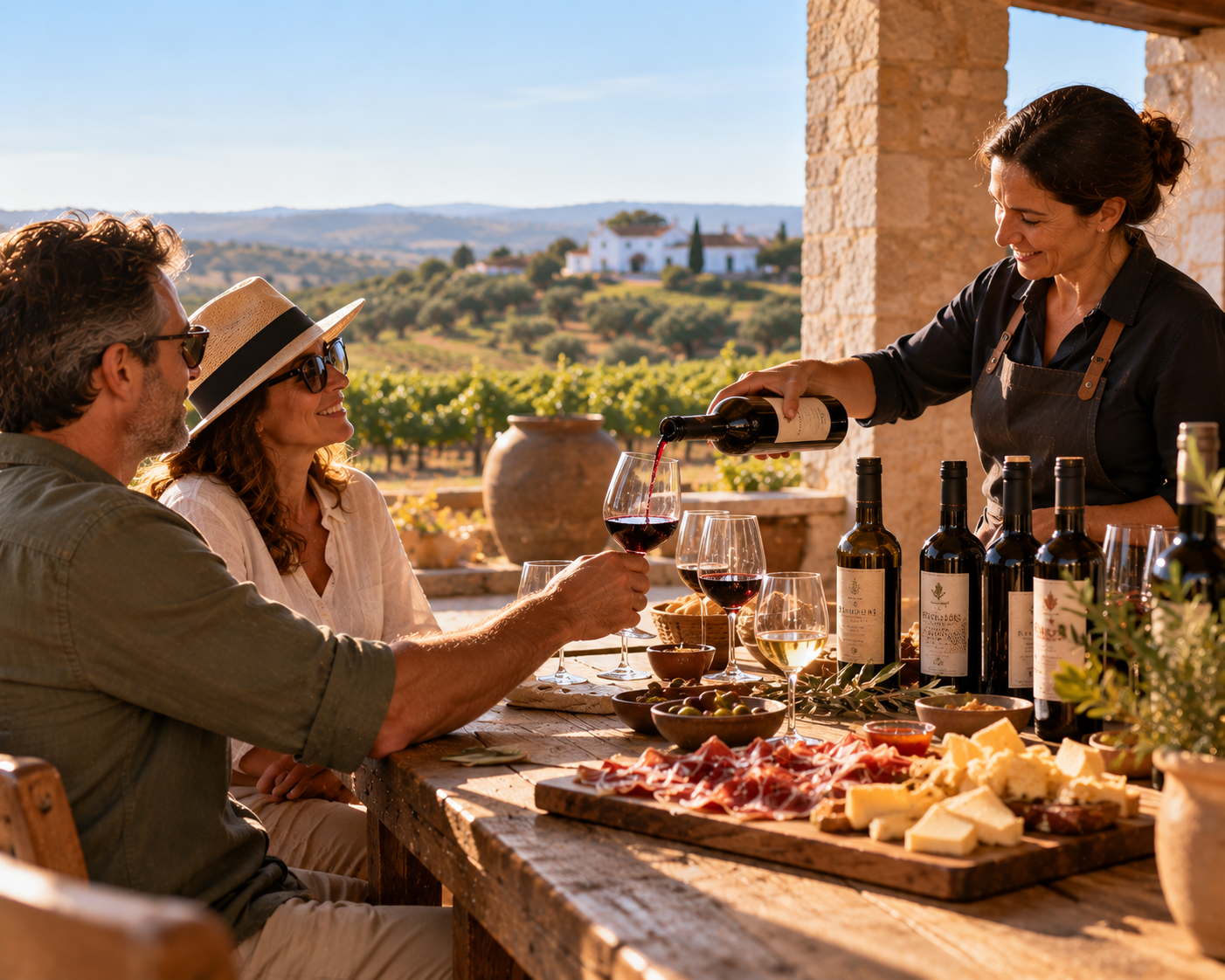
A private tasting in a family cellar in Borba, Reguengos or Évora brings the vineyard and the table into the same visit. Over 2 to 3 hours, you walk among the vines, explore the cellar and taste wines from tank and barrel. With the family who makes them beside you, questions can follow what you see and taste.
Many small and medium family estates use local grape varieties and traditional methods. Ask which grapes are in your glass and how the wine was made. The answers give substance to names on a label, without requiring a technical vocabulary. A curated tasting also creates room to notice differences rather than treating Alentejo wine as a uniform style.
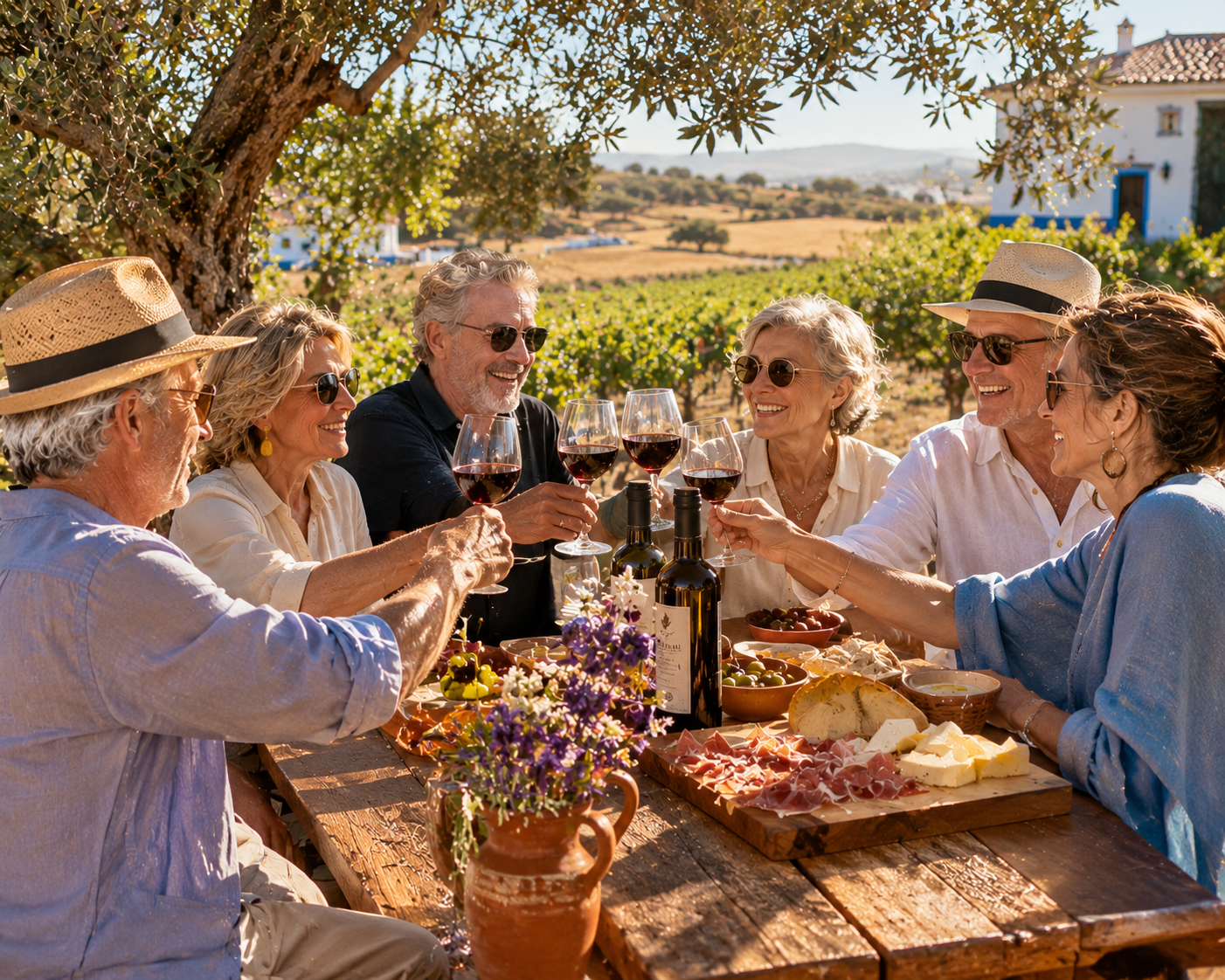
Bread, cheese and cured meats from neighbouring farms lead into a simple lunch with the family. Taste with the food as well as without it, and allow the conversation to unfold. Early autumn harvest is a rewarding context for a cellar visit. It connects the finished wine with the season's work, though harvesting should not be assumed to continue throughout autumn.
Cork, Wine and Olive Oil
A Private Tasting in a Family Cellar
Borba, Reguengos and Évora
Taste wines from the estate with the family who makes them.
Read the label for place, colour and harvest
A few Portuguese words make a wine label easier to read. Tinto means red, branco means white and rosado means rosé. Colheita means harvest or vintage; castas means grape varieties. These are useful starting points when a bottle arrives at the table, before the conversation turns to what is in the glass.
Place names offer another clue. DOC Alentejo identifies the designated wine region, while Vinho Regional Alentejano identifies the broader regional category. Read them as indications of origin, rather than a ranking of taste or quality. Neither term tells you whether you will prefer the wine with bread and cheese or alongside a longer lunch.
There are eight sub-regions within the official wine region. Borba, Redondo and Évora are relevant names to recognise while travelling through the central Alentejo. At a family cellar, ask how the place named on the label relates to the vineyards you have walked. The printed words become more useful when connected to the vines, the cellar and the person pouring.
Use grape names as clues, not promises
Among the red varieties associated with the Alentejo are Aragonez, Trincadeira and Alicante Bouschet. For whites, look for Antão Vaz, Arinto and Roupeiro. Learning the names gives you a way into the conversation without needing a tasting vocabulary of your own.
Blends are common, so a glass may bring several varieties together rather than express a single grape. The names alone do not determine the finished flavour. How the grapes are grown and how the wine is made also shape what reaches the table. Ask which varieties are in your glass, then whether the wine spent time in wood. These questions invite a concrete explanation rather than a prediction based on the label.
Taste alongside the bread, cheese and cured meats served in the family-cellar experience. Notice what changes between a sip on its own and a sip after food, without searching for a correct answer. For more context, read about Alentejo bread, pork, cheese and soups. A label introduces the wine; the table helps you understand your preference.
Let Borba connect wine with marble country
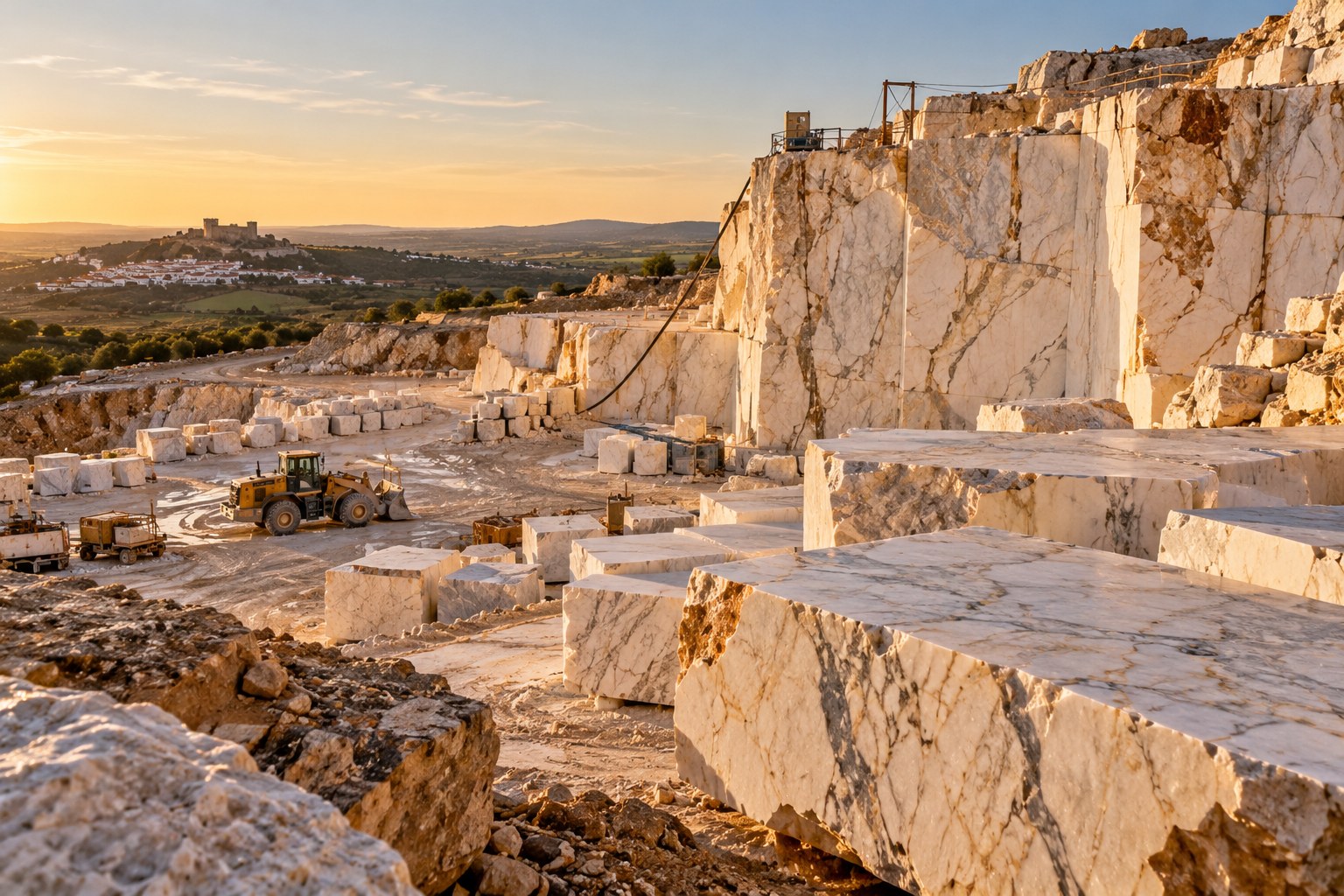
In Borba, a glass of local wine belongs naturally beside a walk through marble country. The stone is not reserved for monuments. It appears in doorsteps, fountains and benches, bringing the material of the surrounding landscape into everyday life. After a cellar visit, these details offer another way to read the place.
Give Estremoz, Borba and Vila Viçosa room in your plans. The marble-country experience is a full day, not an incidental stop after a tasting. Explore the castle quarter and old town of Estremoz, taste local wine in Borba, and visit the Ducal Palace of Vila Viçosa. Seeing how marble is quarried and worked adds context to the stone beneath your feet.
Spring and autumn suit walking and long lunches. Leave space for both, rather than treating the towns as a sequence of monuments. For a related landscape-led thread, Cork and Wine brings the region’s cork and wine into focus. The interest lies in keeping the glass connected to the countryside, its materials and the people who work with them.
Stone, Roman and Megalithic Heritage
Marble Country: Estremoz, Borba and Vila Viçosa
Estremoz, Borba, Vila Viçosa
A day through towns paved, carved and built with local marble.
A label gives you names to remember. Time among the vines and marble streets gives those names a place.